

Ultimate Guide for Choosing the Best Survival Radio for Your Needs
Essential Portable Handheld Radios for Emergency Preparedness
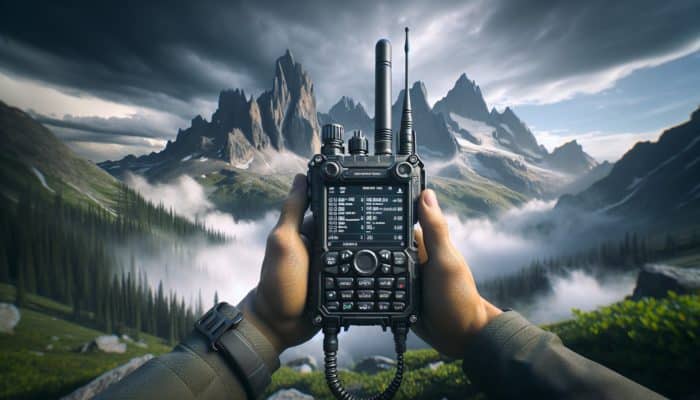
In the context of emergency preparedness, portable handheld radios emerge as indispensable tools that provide unmatched portability and ease of use during critical situations. These radios are meticulously designed to be lightweight and compact, making them ideal companions for hiking, camping, and various outdoor adventures, as well as for readiness against unforeseen calamities. They are especially popular among outdoor enthusiasts and first responders who need reliable communication without the burden of heavier equipment. Notable features that enhance the utility of handheld radios include:
- Portability: Their compact design allows for effortless storage in backpacks or pockets, facilitating easy transport.
- User-Friendliness: Built with intuitive controls, these radios cater to users of all experience levels.
- Multiple Channels: Access to various frequencies expands communication capabilities.
- Durability: Designed to withstand harsh environments and rough usage.
- Extended Battery Life: Equipped with long-lasting batteries that are easy to replace.
- Emergency Features: Includes alarms and alert systems to call for help.
- Cost-Effectiveness: Generally more affordable than fixed station radios.
Moreover, handheld radios often come equipped with invaluable features such as weather alerts and dedicated emergency frequencies, which are crucial in crisis situations. They keep users informed about fluctuating weather conditions, whether traversing a secluded mountain trail or navigating a busy urban area.
Reliable Fixed Station Radios for Enhanced Emergency Communication
Fixed station radios offer a robust method for emergency communication, primarily utilized within home or command centre settings. These radios provide several advantages over their handheld counterparts, including an extended transmission range, superior audio quality, and compatibility with external antennas that further amplify signal strength. Fixed station radios are particularly effective during prolonged emergencies that require dependable communication, such as during natural disasters or extensive power outages.
A significant advantage of fixed station radios is their reliable power supply options. Unlike handheld radios that generally rely on batteries, fixed station units can connect to external power sources or generators, ensuring continuous operation. Their larger configuration accommodates enhanced speakers and microphones, resulting in clearer and more effective communication.
Eco-Friendly Solar-Powered Radios for Sustainable Communication Solutions
Solar-powered radios represent an innovative solution for maintaining communication during extended emergencies when traditional power sources might not be available. These radios convert solar energy into electrical power to recharge their batteries, making them ideal for remote locations or prolonged outdoor excursions where access to standard power is limited.
To ensure optimal performance, regular maintenance of solar-powered radios is essential. Users should routinely clean the solar panels to remove dust and debris that could obstruct charging efficiency. Additionally, it is crucial to store these radios in areas that receive direct sunlight for extended periods. Regularly checking the battery status and functionality can help prevent potential issues, ensuring reliable communication when it is most needed.
Expert Insights for Choosing Your Ideal Survival Radio
Determining the Best Survival Radio According to Your Personal Needs
Choosing the right survival radio is critical for ensuring effective communication tailored to your specific needs and situations. For instance, a hiker navigating the Appalachian Trail may prefer a lightweight handheld radio, while a family preparing for hurricane season in Florida might opt for a sturdy fixed station radio designed for home use.
Real-life scenarios underscore the strategic importance of making well-informed choices. In the remote regions of Canada, users often select radios with extended range capabilities to maintain contact with distant friends or emergency services. Conversely, urban residents may prioritize models equipped with built-in emergency alerts to stay informed about local threats. Personal circumstances—including location, routine activities, and potential emergency situations—should guide the decision-making process when choosing a radio.
Key Insights on Frequency and Range for Optimal Communication
Grasping the nuances of frequency and range in survival radios is essential for achieving effective communication. Different radios operate across various frequency bands, including VHF, UHF, and HF, each exhibiting unique characteristics. VHF radios excel at short-range communication, while HF radios are more suited for long-distance transmission.
To harness radio frequency and range effectively, users should adopt the following actionable strategies:
- Choosing the Suitable Band: Select a frequency band that aligns with your intended use, considering both distance and terrain.
- Utilizing External Antennas: Improve signal strength and reach by using external antennas whenever possible.
- Optimal Positioning: Place the radio in an open area to minimize obstructions that could negatively affect signal quality.
- Conducting Regular Tests: Perform routine tests to ensure the radio’s effectiveness under varying conditions.
By taking these factors into account, users can significantly enhance their communication capabilities during emergencies, ensuring they remain connected when it’s most critical.
Ensuring Durability and Weather Resistance in Your Survival Radios
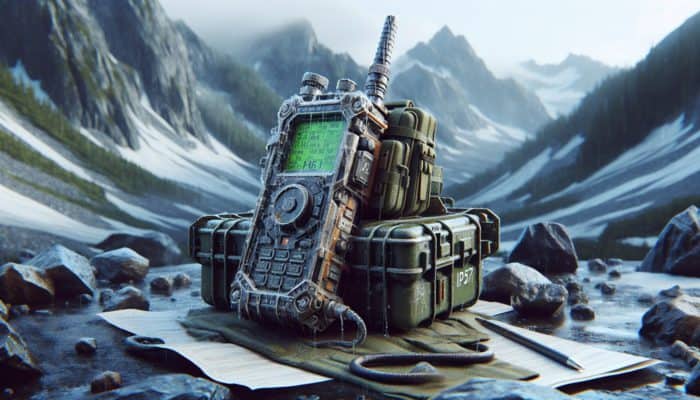
It is essential that survival radios possess the robustness required to withstand various harsh environmental conditions, making durability and weather resistance critical features. Different models vary in their construction materials and design attributes, significantly affecting their performance under duress.
Expert evaluations reveal that certain radios are manufactured to military specifications, enabling them to endure extreme temperatures, heavy moisture, and physical impacts. Users should seek radios with protective casings that are rated for water and dust resistance, often indicated by IP ratings.
For example, a radio with an IP67 rating can withstand brief submersion in water, making it suitable for wet climates or emergencies involving flooding. Additionally, rugged radios with reinforced structures can survive drops and rough handling, which is essential for outdoor enthusiasts facing unpredictable conditions.
Effective Strategies for Utilizing Survival Radios
Mastering Basic Operation Techniques for Reliable Radio Functionality
Mastering the fundamental operational techniques for survival radios is vital for ensuring reliable communication during emergencies. The core steps for operating a survival radio include:
- Powering On: Get familiar with the power button and any indicators that display battery status.
- Tuning the Frequency: Learn how to adjust frequencies to find the correct channel for communication.
- Microphone Usage: Practice speaking clearly into the microphone to ensure effective message transmission.
- Monitoring Signal Strength: Understand the significance of checking signal strength to prevent communication breakdowns.
In emergency situations, adeptly operating a survival radio can make the difference between receiving timely assistance and being isolated. Users should invest time in practicing with their devices in non-emergency situations, preparing themselves to respond effectively under pressure when it truly matters.
Developing Advanced Communication Skills for Enhanced Radio Effectiveness
To further boost the effectiveness of survival radios, cultivating advanced communication skills is exceptionally beneficial. Users can sharpen their communication capabilities by engaging in regular practice and implementing specific strategies.
One effective strategy involves developing a communication plan with family members or group participants that outlines specific phrases or codes for various scenarios. For example, establishing a code for “all clear” or “need assistance” can streamline communication during emergencies, reducing confusion.
Additionally, users should practice using their radios in diverse environments to navigate challenges such as background noise or interference. Familiarity with radio etiquette, such as waiting for the channel to clear before speaking, can also enhance effective communication and reduce misunderstandings during high-pressure situations.
Troubleshooting Common Radio Issues for Reliable Operation
Possessing troubleshooting skills for common issues that arise with survival radios can be vital during emergencies. Users should be aware of typical problems and their solutions, allowing for quick fixes when communication is crucial:
- Weak Signal: Check the antenna position and ensure it is properly extended for optimal reception.
- No Sound: Verify that the volume is adjusted correctly and that the radio is not muted.
- Battery Problems: Inspect the batteries for corrosion and replace them if necessary.
- Interference: Change the frequency or move to a different location to minimize obstacles affecting signal quality.
By familiarizing themselves with these common issues and their solutions, users can keep their radios functioning optimally, ensuring they can rely on them when it matters most.
How to Choose the Ideal Survival Radio for Your Specific Requirements
Understanding the features and capabilities of various survival radios is crucial for selecting the best option for specific emergencies. Users should assess their unique needs, considering factors such as range, battery life, and emergency features.
For instance, someone living in a remote area may prioritize a radio with long-range capabilities and access to emergency frequencies. In contrast, an urban dweller might prefer a compact model equipped with weather alert features. Aligning the radio’s functionalities with the most likely emergency scenarios ensures preparedness for any situation.
Exploring Various Power Sources for Survival Radios
Dependable Battery-Powered Radios for Emergency Communication
Battery-powered survival radios are highly regarded for their reliability, offering a straightforward and effective communication solution. To ensure optimal functionality during emergencies, users should implement best practices for managing battery life.
Firstly, it’s essential to use high-quality batteries that are designed for longevity and peak performance. Regularly checking battery levels can help prevent unexpected failures, particularly in critical situations. Users should also consider keeping spare batteries readily available and rotating them periodically to ensure they remain fresh.
Moreover, some radios come equipped with battery-saving features, such as automatic shut-off or low-power modes, which can significantly extend battery life during emergencies when every second counts.
Manual Crank-Powered Radios as Reliable Independent Communication Tools
Crank-powered radios provide a manual power source for communication, proving invaluable in situations where standard batteries fail or are unavailable. The crank mechanism generates power by converting mechanical energy into electrical energy, enabling users to produce electricity simply by turning a handle.
When the crank is turned, it activates a dynamo that generates electricity, charging the built-in battery or powering the radio directly. This ensures users can maintain communication even during prolonged emergencies without access to traditional power sources.
For optimal use, it’s advisable to practice cranking the radio regularly to become familiar with the process. Understanding how long to crank for sufficient power can vary by model, so users should consult the user manual for specific guidelines.
Innovative Alternative Power Solutions for Enhanced Flexibility
Exploring alternative power solutions can provide additional options for survival radios, increasing their flexibility and utility during emergencies. Some innovative power sources include solar panels, rechargeable batteries, and hybrid systems that combine multiple power sources for greater reliability.
Solar-powered chargers can be an excellent addition to any survival kit, enabling users to harness renewable energy and recharge their radios during daylight hours. Users may also consider wind-up radios, which employ a similar mechanical generation process as crank-powered models but are designed for easy operation in windy conditions.
Furthermore, some modern radios have the capability to charge via USB, making them compatible with portable solar chargers. These diverse power solutions ensure users have multiple avenues to keep their communication devices operational, regardless of their circumstances.
Essential Features to Consider When Selecting Survival Radios
Critical Emergency Alert Systems Included in Radios
Integrated emergency alert systems in survival radios deliver crucial information during crises, helping users stay informed and safe. These systems typically include features that automatically tune to emergency broadcasts, providing timely updates on weather conditions, natural disasters, and local emergencies.
Understanding how these emergency alert systems function is vital for maximizing their benefits. Users should familiarize themselves with the specific alert channels available on their radios to ensure they are configured to receive emergency signals.
Some radios even feature NOAA Weather Radio capabilities, which continuously broadcast weather information directly from the National Oceanic and Atmospheric Administration, alerting users to impending storms or severe weather warnings.
Selecting Radios with High Waterproof and Dustproof Ratings
Radios with high waterproof and dustproof ratings are essential for use in harsh environments, ensuring reliable operation under various conditions. Users should seek radios with IP ratings, indicating their level of resistance to water and dust.
For instance, a radio rated IPX7 can withstand immersion in water for up to 30 minutes at a depth of 1 metre, making it suitable for use in wet or flood-prone areas. Users operating in dusty or sandy environments should consider models with high dust resistance ratings, ensuring their radios remain functional even in challenging conditions.
Understanding these ratings helps users select radios that are built to endure the environments they are most likely to encounter, providing peace of mind during emergencies.
Benefits of Radios with Multiple Frequency Bands for Versatile Communication
Survival radios equipped with multiple frequency bands offer versatile communication options, enhancing the likelihood of successful contact in various situations. Radios capable of operating on FM, AM, VHF, and UHF bands can deliver broader coverage and access to different channels, which is critical during emergencies.
The advantages of utilizing multiple frequency bands include:
- Increased Range: Access to a diverse array of frequencies can enhance communication distances.
- Improved Clarity: Different bands may provide clearer signals depending on environmental factors.
- Multiple Channels: The ability to switch channels to minimize congestion and facilitate communication.
- Crisis Flexibility: Access to emergency frequencies tailored to local situations.
Choosing a radio with multiple frequency capabilities ensures users remain connected, regardless of the circumstances.
Thorough Maintenance and Care for Survival Radios
Implementing Regular Cleaning and Inspection Practices
Regular cleaning and inspection are essential for maintaining the functionality of survival radios, ensuring they are ready for use when emergencies arise. Over time, dust, moisture, and debris can accumulate, potentially impairing performance.
Recommended cleaning procedures involve using a soft, dry cloth to wipe down the exterior and remove any particles or grime. Users should also routinely inspect the antenna, battery compartment, and connections for signs of damage or corrosion, addressing any issues promptly to maintain optimal operation.
Furthermore, periodically testing the radio is crucial to ensure that all functions are working correctly. This proactive maintenance approach can help prevent last-minute surprises when the radio is needed most.
Proper Storage and Protection to Prolong Radio Lifespan
Proper storage and protection can significantly extend the lifespan of survival radios, ensuring they are ready for emergencies. Storing radios in a cool, dry location away from direct sunlight and moisture is critical to prevent deterioration.
Users should consider utilizing protective cases or bags that offer additional padding and water resistance, especially if the radios are kept in vehicles or outdoor environments.
Moreover, creating a dedicated emergency kit that includes the radio along with essential supplies ensures that all items are organized and easily accessible during crises. Regularly checking the storage conditions and contents of the kit can help maintain preparedness.
Understanding Repair Needs and Finding Replacement Parts
Being knowledgeable about repairs and sourcing replacement parts for survival radios can be crucial during emergencies. Common repair needs may involve replacing batteries, fixing damaged antennas, or addressing volume control issues.
Users should familiarize themselves with the basic components of their radios, enabling them to troubleshoot minor problems effectively. Having access to a basic toolkit can facilitate simple repairs, while knowing where to source replacement parts can save valuable time when replacements are necessary.
Some manufacturers offer specific repair kits or replacement parts directly, while online forums and communities can also serve as excellent resources for discovering tips and support related to specific radio models.
Research-Backed Benefits of Survival Radio Options
Enhancing Communication Efficiency During Emergencies
Survival radios significantly improve communication during emergencies, serving as a critical link to the outside world. Real-world examples emphasize their importance; during the hurricanes that affected Puerto Rico, survival radios enabled residents to receive vital updates and coordinate rescue efforts.
Enhanced communication capabilities allow individuals to convey their status to emergency services or family members, greatly increasing their chances of receiving timely assistance. This ability to maintain contact can also foster collective safety, as groups can remain coordinated during crises.
Boosting Safety and Security Through Connectivity
Survival radios play a vital role in enhancing safety and security during emergencies, empowering users to access crucial information and coordinate responses. By staying connected, individuals can receive alerts about hazards, weather changes, or evacuation orders, allowing them to make informed decisions quickly.
Actionable steps to utilize survival radios for enhanced safety include regularly monitoring emergency frequencies, maintaining communication with loved ones, and participating in community preparedness programs that incorporate radio usage. This proactive approach ensures users are better equipped to handle emergencies effectively.
Providing Psychological Comfort and Uplifting Morale
Survival radios can offer psychological comfort and boost morale during emergencies by connecting individuals with loved ones and critical information. The reassurance of knowing that communication is possible can help alleviate anxiety during chaotic situations.
Expert analysis suggests that maintaining contact with family members or receiving updates from local authorities can significantly enhance mental well-being in times of crisis. Radios that provide updates and information can help individuals feel less isolated, fostering a sense of community even in challenging times.
How to Choose the Best Survival Radio Suited to Your Needs?
Thoroughly Assessing Your Unique Requirements for Radio Selection
Carefully assessing unique requirements is critical for selecting the right survival radio. Factors to consider include typical emergency scenarios, geographical location, and personal preferences regarding size and features.
For instance, someone living in a rural area may prioritize range and access to emergency frequencies, while an urban resident may prefer compactness and emergency alert features. Understanding personal priorities helps ensure users choose a radio that best meets their needs in various situations.
Comparing Diverse Survival Radio Models and Brands
Comparing various models and brands is essential for users to make the most informed choice regarding survival radios. Factors to consider during comparisons include features, price, durability, and user reviews.
Online resources, user forums, and retailer websites can provide invaluable insights into diverse options. It’s important to take into account what previous users have experienced regarding performance, reliability, and usability, as real-world experiences can greatly inform the selection process.
Evaluating Budget Considerations in Survival Radio Selection
Budget considerations play a significant role in selecting survival radios, as prices can vary considerably based on features and capabilities. Users should establish a budget that aligns with their needs while ensuring they invest in a radio that guarantees reliability during emergencies.
Cost-effective options often include basic handheld models that still deliver essential features without exceeding the budget. However, investing a bit more for advanced functionality, durability, and warranty can prove invaluable in critical situations.
Comprehensively Evaluating Features and Functions of Radios
Thoroughly evaluating the features and functions of survival radios is essential for making a well-informed decision. Users should prioritize features such as battery life, range, weather alerts, and user-friendliness based on their anticipated needs.
Additionally, considering how frequently the radio will be used in various circumstances can help determine necessary features. A radio intended for regular outdoor adventures might require more robust capabilities compared to one used sporadically for emergencies.
Reading Reviews and User Feedback for Informed Radio Choices
Reading reviews and user feedback is crucial for making an informed decision when selecting survival radios. User experiences can provide valuable insights into the performance, reliability, and usability of different models, helping prospective buyers avoid potential pitfalls.
Reviews often highlight specific features that work well or issues that users have encountered, providing a comprehensive overview of each radio’s strengths and weaknesses. Engaging in community discussions on forums can further enhance understanding of various options.
Training and Preparedness for Effective Use of Survival Radios
Participating in Basic Training Programs for Survival Radio Proficiency
Basic training programs are essential for equipping users with the necessary skills to operate survival radios proficiently. A comprehensive program should cover hands-on operation, frequency selection, basic troubleshooting, and communication protocols.
Participants should practice using radios in simulated emergency scenarios, allowing them to build confidence and familiarity with the devices. Moreover, understanding how to navigate different features and emergency channels can significantly enhance users’ readiness for real-life situations.
Engaging in Advanced Training and Drills for Enhanced Radio Skills
Advanced training and drills can refine the skills necessary for effective use of survival radios, guiding users to respond efficiently in crises. Participants benefit from engaging in scenarios that require quick decision-making and clear communication under pressure.
Regularly scheduled drills can reinforce skills, ensuring users are prepared to utilize their radios effectively when it matters most. Incorporating group exercises that require teamwork can also enhance overall preparedness and coordination.
Strengthening Community and Group Preparedness Using Survival Radios
Community and group preparedness with survival radios can significantly enhance overall emergency readiness. Establishing communication networks within communities promotes coordinated responses to local emergencies, improving safety and resource allocation.
Communities should implement training workshops focused on radio usage and establish regular practice drills. Additionally, creating a system for sharing information about emergency contacts and protocols can strengthen community ties and ensure everyone is aligned during crises.
Common Questions Regarding Survival Radios
What factors should I consider when selecting a survival radio?
When choosing a survival radio, consider your specific requirements, including the necessary communication range, the types of emergencies you may encounter, battery life, and additional features such as weather alerts or emergency broadcasts.
Are handheld radios effective for long-distance communication?
Handheld radios can indeed be effective for long-distance communication, depending on their frequency and power. Higher-quality models with extended range capabilities are more suitable for connecting over larger distances.
How do solar-powered radios operate?
Solar-powered radios utilize solar panels to convert sunlight into electrical energy, charging their batteries or powering the radio directly, making them ideal for extended outdoor use without conventional power sources.
What advantages do fixed station radios offer?
Fixed station radios provide robust communication solutions, offering superior range, sound quality, and power options compared to handheld models, making them ideal for home or command center setups during emergencies.
How frequently should I test my survival radio?
It’s advisable to test your survival radio at least once a month to ensure all functions are operating correctly, including checks on the batteries and emergency features.
Can I use my survival radio during a storm?
Yes, survival radios are designed to operate in various conditions, including storms. Ensure your radio has weather alerts to receive timely information during severe weather events.
What features should I prioritize in a survival radio?
Key features to consider include battery life, range, weather alerts, durability, waterproof ratings, and the capability to access multiple frequency bands for versatile communication.
How can I maintain my survival radio effectively?
Regular cleaning, inspection, and proper storage are essential for maintaining your survival radio. Ensure it’s kept in a cool, dry place and routinely checked for functionality.
Are crank-powered radios worth considering?
Absolutely, crank-powered radios are excellent for emergencies, providing a manual power source that ensures communication without reliance on batteries or external power—ideal for prolonged situations.
Where can I find replacement parts for my survival radio?
Replacement parts for survival radios can often be sourced directly from manufacturers, authorized dealers, or online marketplaces that specialize in radio accessories and components.
Join our journey on X for more insights!
The post Survival Radio Options: Essential Gear for Emergencies appeared first on Survival Bite.
The Article Survival Radio Options: Must-Have Gear for Emergencies Was Found On https://limitsofstrategy.com
The Article Survival Radio Options: Essential Gear for Emergencies First Appeared ON
: https://ad4sc.com