

Uncover the Rich Historical Roots of BBQ in the United States
Dive Deep into the Cooking Innovations of Native American Tribes
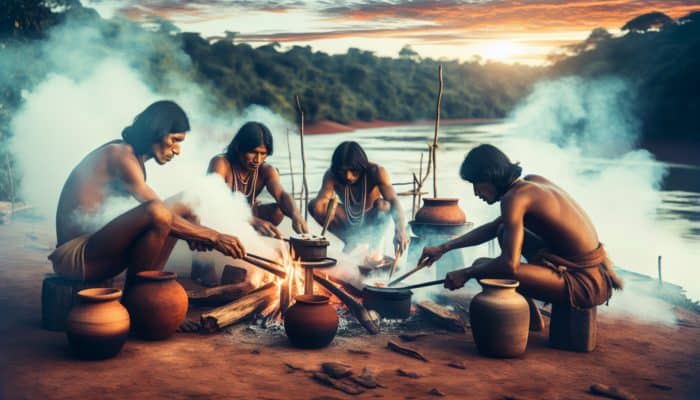
The compelling history of BBQ in the United States is a fascinating journey through time, showcasing the ingenious cooking methods developed by early Indigenous peoples. These Native American tribes, such as the Cherokee and the Sioux, crafted innovative techniques for cooking and smoking meats, which were vital for their survival and played a significant role in enhancing the rich tapestry of American culinary culture. By utilizing local resources and their natural surroundings, these tribes laid the essential groundwork for the modern BBQ practices that we hold dear today.
The traditional techniques employed by Indigenous peoples were integral to their culinary practices, including:
- Pit Cooking: This ancient method involved digging a pit in the earth, heating stones, layering it with leaves and meat, and allowing for a slow, flavorful cooking process that maximized taste.
- Smoking: This technique included suspending meats over smoldering fires to infuse them with rich, smoky flavors while also serving as a method of preservation.
- Roasting: Cooking meats over hot stones or an open flame, often using skewers crafted from branches, was a prevalent practice among many tribes.
- Utilizing Native Spices: Indigenous peoples incorporated locally sourced herbs and spices like wild garlic and various berries to enhance the flavors of their meats.
These innovative methods not only highlighted the creativity and resourcefulness of early Americans but also established a solid foundation for the diverse styles of BBQ that would develop over the centuries, reflecting their cultural significance in American history.
The Impact of European Settlers on BBQ Evolution
As European settlers arrived in North America, they brought with them a rich tapestry of culinary traditions that began to meld with Indigenous cooking methods, resulting in a unique and flavorful fusion of styles. The settlers introduced a variety of cooking techniques, including roasting and baking, which significantly influenced the evolution of BBQ. This blend of European methods with Indigenous techniques led to the distinctive cooking style that we now identify as BBQ, enriching the culinary landscape of the region.
The merging of these diverse cultures also introduced a plethora of new ingredients and flavors that were previously unknown to Native Americans. One noteworthy example is pork, which quickly became a staple in BBQ due to its abundance and versatility in various cooking methods. The infusion of European spices and herbs further enriched the flavor profiles of the meats being prepared, paving the way for the emergence of diverse regional BBQ styles across the United States, each telling its unique story through taste.
The Crucial Role of African Slaves in BBQ Development
The profound contributions of African slaves to the evolution of BBQ in the United States are significant and often overlooked. Enslaved Africans brought with them a wealth of culinary knowledge regarding cooking techniques and flavoring, which played a crucial role in shaping the American BBQ landscape. Their expertise in enhancing the flavors of meats and employing various cooking methods helped define BBQ as we know it today, deeply influencing the culinary practices that would follow.
Among their vital contributions was the introduction of sauces and marinades that blended spices, herbs, and vinegar, significantly enhancing the flavor profiles of smoked meats. Enslaved cooks often utilized entire animals for cooking, which promoted the practices of smoking and slow-cooking—central tenets of BBQ culture. Additionally, the communal aspect of BBQ, where families and communities gathered to share meals, can also be traced back to African traditions, underscoring the importance of food in fostering community ties.
The fusion of African, Indigenous, and European influences created a rich and diverse history of BBQ that mirrors the multifaceted cultural landscape of the United States. This blend of traditions not only enriched the BBQ experience but also established a profound connection to community, family, and heritage that continues to resonate today.
Understanding the Emergence of Unique Regional BBQ Styles Across America
Unearth the Carolinas’ Distinctive Vinegar-Based BBQ Tradition
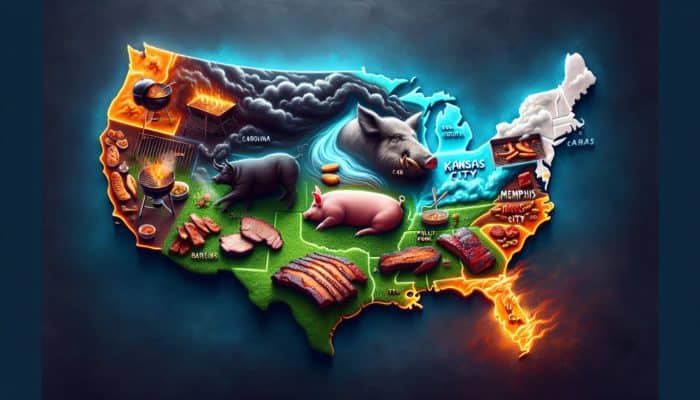
The Carolinas are renowned for their distinctive vinegar-based BBQ sauce, a style that has firmly established itself as a regional favourite. This tangy sauce, primarily made from vinegar and spices, reflects the agricultural landscape and the culinary traditions of the area. Its inception can be traced back to the use of vinegar as a preservative, particularly advantageous in the humid Southern climate, ensuring the lasting quality of the meats.
Several factors contributed to the widespread popularity of vinegar-based BBQ in the Carolinas. The abundant availability of pork, which was easily raised and became the preferred meat for BBQ, played a significant role in this phenomenon. The tradition of roasting whole hogs over wood coals, practiced by numerous skilled pitmasters, produced a unique flavor profile that harmonized beautifully with the tangy sauce. Additionally, the cultural significance of BBQ as a communal event has perpetuated this tradition, making it an essential part of Southern gatherings and celebrations.
The variations in BBQ styles within the Carolinas are noteworthy; Eastern North Carolina tends to favour a thinner, spicier vinegar-based sauce, while Western North Carolina opts for a sweeter, tomato-based variant. This regional diversity underscores the rich culinary landscape and the deep-rooted roots of BBQ culture in the Carolinas, reflecting the local agricultural practices and community preferences that have evolved over time.
Texas BBQ: Celebrating the Iconic Beef Brisket Experience
Texas is synonymous with beef brisket, a cut of meat that has become the centerpiece of Texas BBQ. The historical significance of brisket in Texas is closely tied to the flourishing cattle ranching and beef industry in the region. As cattle were raised throughout Texas, the brisket cut, known for its toughness yet rich flavor, became a favourite among pitmasters who perfected the art of cooking it low and slow, ensuring that the meat was tender and full of flavor.
The cultural importance of brisket in Texas BBQ is multifaceted; it represents not only the state’s strong barbecue tradition but also a connection to the ranching lifestyle that is integral to Texas identity. The popularity of brisket was further solidified by the emergence of BBQ joints across Texas, which became cultural landmarks, serving up smoked brisket alongside an array of sides and sauces that are now staples in the region’s culinary offerings.
The evolution of brisket preparation techniques has played a crucial role in this culinary narrative. From traditional Texas-style smoking over oak wood to modern adaptations that incorporate various rubs and marinades, the treatment of brisket has transformed BBQ practices significantly. This adaptability and innovation continue to shape Texas BBQ culture, positioning brisket as a beloved symbol of the state’s rich culinary heritage, celebrated in both local gatherings and prestigious BBQ competitions.
Indulge in the Sweet and Thick Sauces of Kansas City BBQ

Kansas City BBQ is distinguished by its thick and sweet sauces, which have become a hallmark of the region’s barbecue style. The flavor profile of these sauces, typically made from molasses, brown sugar, and tomato, reflects the area’s agricultural bounty and the influence of early BBQ pioneers. Historical events, such as the rise of BBQ restaurants and competitions in the 20th century, played a pivotal role in shaping this unique BBQ style that has garnered a dedicated following.
Several key historical influences have defined Kansas City’s BBQ culture:
- The Emergence of BBQ Restaurants: The growth of BBQ joints in the mid-20th century helped standardize and popularize Kansas City-style BBQ, making it accessible to a broader audience.
- Influence of African American Pitmasters: Many African American pitmasters, including legends like Arthur Bryant and Gates Bar-B-Q, contributed significantly to the evolution of the region’s BBQ culture, elevating its profile and crafting signature flavors.
- BBQ Competitions: Kansas City is home to one of the largest BBQ competitions in the world, promoting and celebrating local BBQ traditions while attracting competitors and enthusiasts from across the nation.
- Cultural Fusion: The city’s diverse population has resulted in a blend of flavors and styles, contributing to the distinctiveness of Kansas City BBQ and enriching its culinary narrative.
The fusion of flavors, traditions, and the community’s passion for BBQ has established Kansas City as a premier BBQ destination, attracting enthusiasts from across the nation to sample its unique offerings and celebrate its rich culinary heritage.
Essential BBQ History Facts That Every Food Lover Should Know
Explore Real-World Examples of BBQ Evolution
The evolution of BBQ in the United States has been remarkable, adapting to cultural shifts and culinary trends over the years. One significant example of this evolution is the transition from traditional techniques to modern BBQ practices that incorporate innovative cooking methods and diverse flavor profiles, showcasing the adaptability of this beloved tradition.
In its early days, BBQ primarily served as a communal event, often focused on cooking whole hogs. However, as urbanization and industrialization took hold, BBQ evolved towards more accessible formats, such as the rise of BBQ restaurants and food trucks that offered a variety of meats and cooking styles. This transformation has allowed regional styles to develop their unique identities while still honoring their traditional roots and culinary heritage.
Another important example is the increasing popularity of regional BBQ competitions, which have played a vital role in preserving BBQ history while promoting innovation. Competitors frequently experiment with new techniques, flavors, and presentations, contributing to a dynamic BBQ culture that continuously evolves. Additionally, the emergence of influencers in the BBQ scene, such as celebrity pitmasters and social media personalities, has introduced new audiences to historical BBQ practices while encouraging them to engage with BBQ culture in fresh and innovative ways, ensuring its relevance in contemporary culinary discourse.
Assessing BBQ Competitions and Their Cultural Impact
BBQ competitions have become a fundamental aspect of the BBQ landscape in the United States, significantly influencing both the preservation of BBQ history and its modern evolution. These events serve as platforms for pitmasters to showcase their skills, experiment with flavors, and connect with the broader BBQ community, fostering a sense of camaraderie among participants.
Competitions encourage participants to uphold traditional cooking methods while also pushing the limits of creativity. For instance, events like the American Royal World Series of Barbecue in Kansas City attract thousands of competitors and spectators, highlighting local BBQ traditions and innovations that contribute to the tapestry of American BBQ culture. Such high-stakes competitions foster camaraderie, as pitmasters share techniques and experiences that elevate the collective knowledge and appreciation of BBQ.
Moreover, BBQ competitions have contributed to the recognition of BBQ as a legitimate culinary art form, drawing media attention and elevating the status of BBQ chefs. This recognition has inspired a new generation of BBQ enthusiasts to explore the history and intricacies of BBQ, ensuring that the rich heritage continues to thrive within the modern culinary landscape, bridging the gap between tradition and contemporary practices.
Actionable Strategies for Preserving BBQ Traditions for Generations to Come
Preserving and promoting the rich history of BBQ in the United States requires a multifaceted approach that engages individuals and communities alike. Several actionable steps can be undertaken to ensure that BBQ traditions are maintained and celebrated, ensuring that future generations can appreciate this integral part of American culture.
First and foremost, education is paramount. Hosting workshops and classes that teach traditional BBQ techniques can help pass down vital knowledge to younger generations. These classes can cover everything from selecting the right cuts of meat to mastering the art of smoke flavors, emphasizing the cultural significance of BBQ in American history and its role in community building.
Second, organizing local BBQ festivals can celebrate regional styles and invite pitmasters to share their expertise with the community. These events not only promote local businesses but also encourage appreciation for diverse BBQ traditions, enhancing cultural pride and fostering a sense of belonging among participants and attendees.
Third, documenting BBQ history through oral histories, cookbooks, and online resources can create a repository of knowledge accessible to future generations. Encouraging local historians and BBQ enthusiasts to contribute their stories and experiences can enrich this documentation, ensuring that the legacy of BBQ culture is preserved for years to come.
Finally, fostering partnerships with schools, culinary programs, and local governments can help promote BBQ heritage. Community programs that highlight BBQ’s cultural importance can inspire ownership and pride in local traditions, ensuring that BBQ continues to play a vital role in American culinary culture and remains a cherished tradition in communities across the nation.
Honoring Influential Figures Who Shaped BBQ History
The history of BBQ in the United States is marked by influential figures who have significantly impacted its culture and evolution. These pioneers and innovators have not only shaped regional styles but have also cultivated a deep appreciation for BBQ among enthusiasts nationwide, ensuring its enduring popularity.
One of the most notable figures is Arthur Bryant, whose BBQ restaurant in Kansas City became iconic for its unique sauce and expertly smoked meats. His techniques and recipes have been passed down through generations, influencing countless pitmasters across the nation and solidifying his legacy in the world of BBQ.
Another influential figure is Aaron Franklin of Franklin Barbecue, who has become synonymous with Texas BBQ. His meticulous approach to brisket and emphasis on quality ingredients have redefined BBQ standards and inspired a new generation of chefs to elevate their craft, bringing a newfound respect to the art of BBQ.
Myron Mixon, a multi-time BBQ world champion, has also played a pivotal role in popularizing BBQ through television appearances and cookbooks, sharing his expertise with a broader audience and showcasing the art of BBQ on a national stage. These figures, among many others, have made indelible marks on BBQ culture, ensuring that the art and tradition of BBQ continue to thrive in the United States for generations to come.
Key Milestones in BBQ History You Should Know
The Game-Changer: The Invention of the Smoker
The invention of the smoker marked a revolutionary moment in BBQ history, transforming cooking practices in the United States. The first documented use of the modern smoker can be traced back to the late 19th century, coinciding with advancements in metalworking that made it possible to create more efficient smoking apparatuses, leading to a new era of flavor and technique in BBQ preparation.
This innovation changed BBQ practices by enabling pitmasters to control temperature and smoke levels more precisely, leading to consistent results and enhanced flavor profiles that became the hallmark of great BBQ. As technology evolved, various types of smokers emerged, including offset smokers, vertical smokers, and electric smokers, each offering unique advantages and contributing to different regional BBQ styles that reflect local traditions and preferences.
With the rise of BBQ competitions and restaurants in the 20th century, the smoker became a standard tool for many pitmasters, further cementing its place in BBQ culture. The evolution of smoking technology has not only impacted cooking techniques but has also shaped the perception of BBQ, elevating it from simple backyard gatherings to a revered culinary art form recognized and celebrated nationwide.
Transforming BBQ Culture Through the Rise of BBQ Restaurants
The emergence of BBQ restaurants revolutionised the culture of BBQ in the United States, making it more accessible and elevating its status as a respected culinary tradition. The first BBQ restaurants began appearing in the early 20th century, often reflecting regional styles and catering to local tastes, effectively introducing BBQ to a wider audience and paving the way for its growth as a cultural phenomenon.
These restaurants played a vital role in standardizing BBQ styles by introducing consistent menus and preparation methods that showcased local flavors and culinary heritage. Iconic establishments, such as The Salt Lick in Texas and Arthur Bryant’s in Kansas City, have not only become synonymous with their respective styles but have also influenced countless others across the nation, creating a vibrant BBQ scene that thrives today.
The rise of BBQ restaurants has also contributed to the broader acceptance of BBQ as a legitimate dining experience, moving it beyond home cooking into the realm of gourmet cuisine. This evolution has sparked renewed interest in BBQ, prompting chefs to experiment with flavors and techniques, further enriching the culinary landscape and ensuring that BBQ remains an integral part of American food culture.
BBQ’s Lasting Influence on American Cuisine
BBQ has profoundly influenced American cuisine, shaping food trends and culinary practices across the country. As BBQ styles developed regionally, they began to inform and shape other cooking techniques, resulting in a unique melding of flavors and culinary traditions that reflect the diverse heritage of the nation.
A key moment that highlights BBQ’s influence occurred in the 1980s when the rise of “barbecue joints” introduced a wave of casual dining options celebrating regional flavors. This shift encouraged a broader appreciation for smoked meats and sauces, leading to the emergence of BBQ-inspired dishes on restaurant menus nationwide, showcasing the versatility of BBQ in American dining.
Furthermore, the fusion of BBQ flavors with other culinary trends has led to innovative creations, such as BBQ tacos, BBQ pizzas, and even BBQ-infused gourmet dishes that reflect contemporary tastes and preferences. Chefs have embraced BBQ techniques, incorporating smoking and slow-cooking methods into various cuisines, showcasing the adaptability and relevance of BBQ in American culinary practices.
As BBQ continues to evolve and inspire chefs across the nation, its impact on American cuisine is undeniable, solidifying its place as a cherished and influential culinary tradition that resonates with people from all walks of life.
Celebrating BBQ’s Role in American Social Gatherings
BBQ: A Symbol of Independence Day Celebrations
BBQ has become an essential part of Independence Day celebrations, symbolising American freedom and community spirit. The tradition of hosting BBQs on the Fourth of July can be traced back to the early days of the nation, where communal feasts served as a means to celebrate independence and foster a sense of togetherness among families and friends.
The connection between BBQ and Independence Day is rooted in the communal nature of the meal; families and friends gather to enjoy delicious food and each other’s company, reinforcing social bonds that are integral to community life. The outdoor grilling experience, often taking place in backyards or parks, embodies the essence of summer and outdoor living, making it a perfect fit for this national holiday that celebrates unity and freedom.
Over the years, the types of foods served at these BBQs have evolved, with traditional favorites such as hot dogs, hamburgers, and ribs taking center stage. This culinary tradition has become deeply embedded in American culture, with families passing down recipes and BBQ techniques, further entrenching BBQ into the fabric of Independence Day celebrations and reinforcing its significance as a cherished tradition.
BBQ as a Central Element of Family Reunions
Family reunions frequently feature BBQ as a central component, emphasizing its role in fostering connections and creating lasting memories. The shared experience of gathering around a BBQ pit or grill allows families to bond over delicious food and stories, reinforcing family ties and traditions that have been cherished over the years.
At family reunions, BBQ serves not merely as a meal but as a cultural artifact, reflecting regional styles and family recipes that have been passed down through generations. The act of preparing and enjoying BBQ together fosters a profound sense of unity, as family members collaborate to cook and share their favorite dishes, creating a rich tapestry of flavors and memories.
Moreover, BBQ provides a platform for storytelling, as family members recount tales of past reunions and share cherished memories tied to specific recipes. This connection between food and family history enriches the overall experience, making BBQ a vital part of family reunions that enhances a sense of belonging and heritage, ensuring that the legacy of these gatherings continues for generations to come.
BBQ Competitions: Building Community Connections
BBQ competitions serve as more than just contests; they play a significant role in community building and fostering connections among barbecue enthusiasts. These events bring together pitmasters, families, and fans, creating a sense of camaraderie that transcends regional differences and showcases the rich diversity of BBQ culture across the nation.
Competitions like the Memphis in May World Championship Barbecue Cooking Contest not only highlight individual talent but also promote teamwork and collaboration among participants. Teams often share techniques, recipes, and experiences, contributing to a collective knowledge base that strengthens the BBQ community and fosters a spirit of friendly competition.
Beyond the competitive aspect, BBQ competitions often serve as fundraisers for local charities and community initiatives. This philanthropic angle enhances the sense of community, as local residents come together to support important causes while enjoying delicious food. The bonds formed through these events help cultivate a strong community spirit, reinforcing the idea that BBQ is as much about connection as it is about food, creating lasting friendships and support networks among enthusiasts.
BBQ as a Catalyst for Neighborhood Block Parties
Neighborhood block parties frequently revolve around BBQ, serving as a catalyst for social interaction and community spirit. These gatherings create an opportunity for neighbors to come together, share food, and strengthen their connections with one another. The communal nature of BBQ, with its emphasis on sharing and celebrating together, makes it the perfect centerpiece for such events that foster community engagement.
At a typical block party, residents often bring their favorite BBQ dishes to share, showcasing their culinary talents and cherished family recipes. This variety not only enhances the culinary experience but also encourages conversation and socializing among neighbors, fostering a sense of belonging and community ties that enrich neighborhood life.
Moreover, BBQ block parties can help bridge gaps between neighbors, creating an inclusive environment where relationships can flourish. These gatherings often lead to the formation of lasting friendships and support networks, reinforcing the idea that BBQ is not just about the food but about building connections and creating a vibrant community where everyone feels welcome and valued.
Looking into the Future: The Evolution of BBQ in the United States
Innovative Techniques Shaping the Future of BBQ
The future of BBQ in the United States is characterized by continuous innovation, as chefs and pitmasters consistently experiment with new techniques and flavor profiles, reflecting the evolving tastes of consumers. Innovations in BBQ techniques are driven by the desire to enhance the cooking experience and provide unique flavors that resonate with modern palates, ensuring that BBQ remains relevant and exciting.
One prominent trend is the incorporation of sous-vide cooking methods, which allow pitmasters to achieve precise temperature control before finishing meats on the grill or smoker. This technique ensures perfectly cooked meats while enabling chefs to infuse flavors through marinades and seasonings during the sous-vide process, resulting in tender and flavorful dishes that are a delight to the senses.
Additionally, the rise of pellet smokers has transformed the way BBQ is approached, offering more convenience and flexibility in flavor options. These smokers allow users to easily switch between different types of wood pellets, enabling a range of smoke profiles that can elevate traditional BBQ dishes and create new flavor experiences that appeal to adventurous eaters.
Furthermore, the increasing popularity of plant-based BBQ options reflects changing consumer preferences. As more individuals embrace vegetarian and vegan diets, BBQ enthusiasts are experimenting with alternative proteins and inventive vegetable preparations, ensuring BBQ remains relevant and appealing to diverse audiences, thus broadening the scope of what BBQ can encompass in the culinary world.
The Influence of Modern Cuisine on BBQ Techniques
Modern cuisine is increasingly impacting traditional BBQ practices, resulting in exciting innovations in flavors and presentation that appeal to contemporary tastes. Chefs are blending techniques from various culinary traditions, creating a distinctive fusion of BBQ and modern gastronomy that showcases the versatility of BBQ in appealing to a wide range of diners.
One significant trend is the incorporation of global flavors into BBQ dishes. For example, BBQ tacos or Korean BBQ-inspired dishes combine elements from different cuisines, resulting in a unique dining experience that resonates with a diverse audience. This fusion not only showcases culinary creativity but also highlights the adaptability of BBQ as it evolves in response to changing culinary landscapes and consumer preferences, making it a dynamic component of modern dining.
Moreover, the emphasis on presentation in modern cuisine has shifted the way BBQ is served. While the traditional communal style of BBQ remains popular, many chefs are now focusing on plating and presentation, elevating BBQ to a more refined dining experience that appeals to food enthusiasts and critics alike, ensuring that BBQ continues to be celebrated as a culinary art form.
As modern cuisine continues to influence BBQ, this evolution ensures that BBQ remains a dynamic and exciting part of American culinary culture, inviting new generations to explore its rich history while embracing innovative flavors and techniques that define the future of this beloved tradition.
Preserving BBQ Traditions for the Generations Ahead
Efforts to preserve BBQ traditions for future generations are essential in maintaining the rich history and cultural significance of BBQ in the United States. Various initiatives are being implemented to ensure the art of BBQ is passed down and celebrated within communities, fostering a sense of pride in this culinary heritage.
One effective strategy is establishing BBQ schools and workshops that teach traditional techniques and recipes to aspiring pitmasters and BBQ enthusiasts. These programs not only impart practical skills but also emphasize the cultural heritage behind BBQ, helping participants appreciate its historical importance and the traditions that have shaped it over time.
Additionally, community events and festivals centered around BBQ can play a significant role in preserving traditions. By showcasing regional styles and inviting local pitmasters to demonstrate their techniques, these events promote a sense of pride in local BBQ culture and encourage families to engage with their culinary heritage, ensuring that the stories and flavors of BBQ continue to thrive.
Moreover, documenting BBQ history through oral histories, cookbooks, and online resources is vital for preserving knowledge and traditions. Encouraging local historians and BBQ enthusiasts to share their experiences can create a comprehensive archive that future generations can access, ensuring that the stories and techniques associated with BBQ continue to be celebrated and passed down through the ages.
Evaluating the Role of Technology in BBQ Evolution
Technology is playing an increasingly important role in the evolution of BBQ, transforming traditional practices and enhancing the overall cooking experience. From smart grills to advanced temperature monitoring systems, technological innovations are making BBQ more accessible and efficient for both novice and experienced pitmasters alike.
Smart grills equipped with Wi-Fi capabilities allow users to monitor cooking temperatures remotely, ensuring precision and consistency in their BBQ. This convenience enables even those new to BBQ to achieve excellent results without extensive experience, democratizing the art of BBQ cooking. The integration of technology also allows for collecting data on cooking times and temperatures, enabling users to refine their techniques over time and enhance their culinary skills.
Furthermore, BBQ apps have emerged, offering recipes, tips, and tutorials catering to various skill levels. These resources democratize BBQ knowledge, making it easier for individuals to learn about different styles and techniques, ultimately fostering a deeper appreciation for the craft and encouraging more people to engage in BBQ cooking.
As technology continues to advance, BBQ is likely to see further innovations that enhance flavor, convenience, and accessibility, making it an ever-evolving culinary tradition that can adapt to contemporary lifestyles while preserving its rich heritage and cultural significance.
Addressing Sustainability Challenges in BBQ Practices
Sustainability is becoming an increasingly critical factor in the BBQ industry, as environmental concerns prompt pitmasters and consumers to consider the ecological impact of their practices. The BBQ community is responding by integrating eco-friendly practices and promoting sustainable sourcing of ingredients, ensuring that BBQ can be enjoyed without compromising environmental integrity.
One key area of focus is sourcing meat from local, sustainable farms that prioritize animal welfare and environmentally friendly practices. By supporting local producers, BBQ enthusiasts can reduce their carbon footprint and contribute to the sustainability of the food system, fostering a more responsible culinary culture. Additionally, many pitmasters are exploring alternative proteins, such as plant-based options, to offer more sustainable BBQ choices that resonate with eco-conscious consumers.
Moreover, using eco-friendly materials for BBQ equipment, such as charcoal made from sustainable sources or biodegradable grilling accessories, is gaining traction in the industry. These innovations aim to reduce waste and encourage environmentally responsible practices within the BBQ community, promoting a culture of sustainability that aligns with the values of consumers who are increasingly aware of their environmental impact.
As the demand for sustainability grows, the BBQ industry is likely to continue evolving, presenting both challenges and opportunities for those involved. Embracing eco-friendly practices not only helps protect the environment but also aligns with the values of an increasingly conscious consumer base, ensuring that BBQ remains a cherished tradition for future generations while adapting to the needs of the present.
Frequently Asked Questions (FAQs) About BBQ
What are the origins of BBQ in the United States?
BBQ in the United States has its roots in early Indigenous techniques, European settlers’ cooking methods, and the culinary contributions of African slaves, blending various cultures into a unique culinary tradition that reflects America’s diverse heritage.
What are the different regional styles of BBQ?
Regional styles include the Carolinas’ vinegar-based BBQ, Texas beef brisket, and Kansas City’s sweet sauces. Each style reflects local ingredients and cultural influences, showcasing the diversity of American BBQ and its regional identities.
How have BBQ competitions influenced BBQ culture?
BBQ competitions have fostered community, innovation, and recognition of BBQ as an art form, allowing pitmasters to showcase their skills while preserving traditional practices and promoting creativity in cooking.
What role does BBQ play in social gatherings?
BBQ serves as a focal point for social gatherings, enhancing community spirit and fostering connections. It’s central to Independence Day celebrations, family reunions, and neighborhood block parties, reinforcing social bonds and traditions.
How is technology changing BBQ practices?
Technology is revolutionizing BBQ with smart grills and apps that enhance cooking precision and offer resources for learning, making BBQ more accessible to enthusiasts of all skill levels and encouraging engagement with this culinary art.
What steps can be taken to preserve BBQ traditions?
Preserving BBQ traditions involves education through workshops, documenting history, and hosting community events that celebrate regional styles, ensuring future generations appreciate BBQ culture and its importance in American culinary heritage.
Who are some influential figures in BBQ history?
Notable figures include Arthur Bryant, Aaron Franklin, and Myron Mixon. Their contributions have significantly shaped and popularized BBQ practices across the United States, influencing both techniques and recipes that are celebrated today.
What innovations are emerging in BBQ techniques?
Innovations include sous-vide cooking, pellet smokers, and plant-based BBQ options, reflecting a blend of tradition and modern culinary trends that cater to contemporary tastes and dietary preferences, ensuring BBQ remains relevant and exciting.
What impact has BBQ had on American cuisine?
BBQ has influenced American cuisine by inspiring fusion dishes and contributing to the rise of casual dining experiences, showcasing its relevance and adaptability in the culinary landscape while enriching the diversity of American food culture.
How can sustainability be incorporated into BBQ practices?
Sustainability can be achieved by sourcing local, eco-friendly ingredients, reducing waste, and exploring alternative proteins, ensuring BBQ practices align with environmentally conscious values and contribute to a more sustainable food system.
Connect with us on Facebook!
The Article Top BBQ History Facts to Share: Discover USA’s Grilling Legacy appeared first on https://pitmastersarsenal.com
The Article BBQ History Facts: Explore America’s Grilling Legacy Was Found On https://limitsofstrategy.com
The Article BBQ History: Discover America’s Grilling Legacy First Appeared ON
: https://ad4sc.com