

Crucial Guidelines for Achieving Optimal Nuclear Radiation Safety and Protection
Effective Strategies for Comprehensive Radiation Protection

Understanding the fundamental principles of radiation safety is essential for effectively minimizing exposure to ionising radiation. The core principles include time, distance, and shielding. By reducing the time spent in areas with radiation exposure, increasing the distance from radiation sources, and employing appropriate shielding materials, individuals can significantly lower the risks associated with harmful exposure. This comprehensive approach not only protects individuals but also fosters a safer environment for everyone involved in radiation-related activities.
Successful implementation of effective radiation protection requires meticulous planning and a steadfast commitment to these foundational principles. For instance, in medical facilities utilizing radiation for both diagnostic and therapeutic purposes, establishing strict protocols is vital to limit the time spent near radiation sources by both patients and healthcare workers. Increasing distance can involve creating secure zones around radiation machinery, while shielding may necessitate the use of lead aprons or specialized protective barriers designed to absorb radiation efficiently.
These core principles are critical for safeguarding workers and patients in healthcare environments, extending their importance to nuclear power plants, research laboratories, and various industrial environments. Each setting requires tailored strategies that account for the specific types of radiation present and the tasks being performed. Ultimately, integrating these principles into daily operations fosters a safety culture beneficial to all in environments where radiation exposure is a risk.
Understanding the Different Types of Ionising Radiation
Ionising radiation is categorized into three primary types: alpha particles, beta particles, and gamma rays. Each type has distinct characteristics and health implications, necessitating specific safety protocols tailored to their unique properties. While alpha particles cannot penetrate the skin, they can inflict severe internal damage if inhaled or ingested, underscoring the need for stringent controls in settings that handle materials emitting alpha radiation.
Beta particles possess greater penetrating ability, traveling several feet through the air and penetrating the skin to some extent. They pose risks both externally and internally, which necessitates protective gear and established protocols within laboratories and medical settings. Gamma rays, recognized for their high penetrating capacity as electromagnetic radiation, require heavy shielding materials such as lead or concrete to effectively block their paths.
A thorough comprehension of these radiation types is paramount for crafting effective safety management strategies, enabling the implementation of targeted training and protective measures. For instance, in medical imaging practices where X-rays (a form of gamma radiation) are routinely utilized, appropriate shielding and safety protocols are essential for protecting both patients and healthcare professionals from unnecessary radiation exposure.
The Role of Global Regulatory Frameworks in Shaping Radiation Safety Practices
The regulatory frameworks governing radiation safety differ worldwide, yet they share a unified objective: to protect public health and the environment. Influential organizations such as the International Atomic Energy Agency (IAEA) and the U.S. Nuclear Regulatory Commission (NRC) set forth comprehensive guidelines that dictate the management of radioactive materials and devices that produce radiation. These regulations encompass a broad spectrum of requirements, from the handling of radioactive waste to defining the qualifications necessary for personnel working with radiation.
Compliance with these regulations is crucial for ensuring safety and confirming that practices align with international standards. Facilities typically undergo rigorous inspections and must keep accurate records regarding radiation exposure, equipment maintenance, and safety training initiatives. Non-compliance can lead to severe penalties, highlighting the critical necessity of adhering to established safety protocols.
Furthermore, local regulatory authorities frequently modify these frameworks to address specific regional conditions, taking into account factors such as population density and industrial activities. The collaboration between international guidelines and local regulations cultivates a strong safety culture, essential for protecting communities worldwide from radiation hazards.
Essential Instruments for Radiation Detection and Measurement
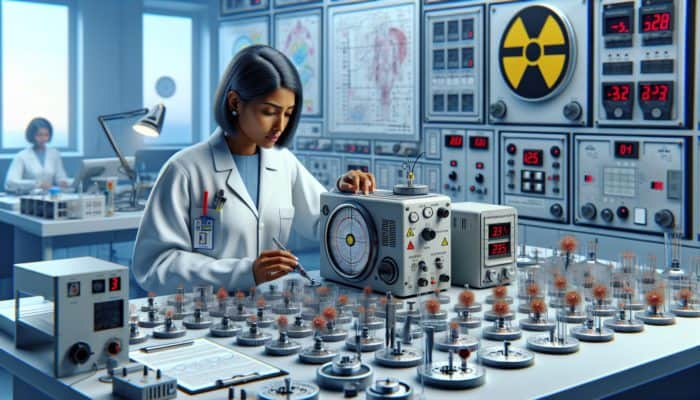
The ability to detect and measure ionising radiation is fundamental to ensuring radiation safety, utilizing various tools and techniques tailored to specific environments. Instruments such as Geiger-Müller counters, scintillation detectors, and dosimeters play essential roles in monitoring radiation levels. These devices facilitate real-time detection, allowing for prompt responses to potential exposure scenarios.
Regular calibration and maintenance of detection equipment are vital for ensuring accurate and reliable measurements. In research contexts, proper calibration guarantees that scientists can trust their readings, which is crucial for both safety and maintaining the integrity of experimental outcomes. Furthermore, training personnel in the correct operation of these devices enhances the effectiveness of radiation safety protocols, empowering individuals to act swiftly when radiation levels exceed safe limits.
In addition to personal dosimeters worn by workers, fixed radiation monitoring systems in nuclear facilities continuously track environmental radiation levels, providing vital data for emergency preparedness and public safety initiatives. The integration of advanced detection technologies significantly contributes to proactive risk management, enabling facilities to uphold safe operational standards while protecting personnel and nearby communities.
Practical Applications of Nuclear Radiation Safety in Real-World Scenarios
Examining Successful Implementations of Radiation Safety Protocols
Exploring real-world examples of effective radiation safety implementations highlights the profound impact of rigorous protocols and innovative strategies. A prominent case is the Chernobyl Exclusion Zone, where extensive safety measures were established following the catastrophic event of 1986. This area has transformed into a living laboratory for studying the effects of radiation and recovery processes, emphasizing the need for long-term monitoring and management. Key strategies employed in the zone include:
- Strict access control measures to minimize human exposure.
- Regular environmental radiation monitoring to track changes over time.
- Public education campaigns aimed at increasing awareness of radiation safety.
- Collaboration with international experts to exchange best practices.
Another noteworthy implementation can be seen in medical facilities that employ Radiation Safety Committees, which oversee the use of radiation and ensure compliance with safety standards. These committees establish protocols encompassing employee training, routine safety audits, and incident investigations to continually enhance safety measures.
By analyzing these cases, organizations can identify effective strategies and adapt them to their specific contexts. The insights gained from these implementations reinforce the significance of comprehensive radiation safety programs that prioritize proactive measures, staff training, and community engagement to mitigate risks effectively.
Identifying Challenges in Enforcing Radiation Safety Protocols
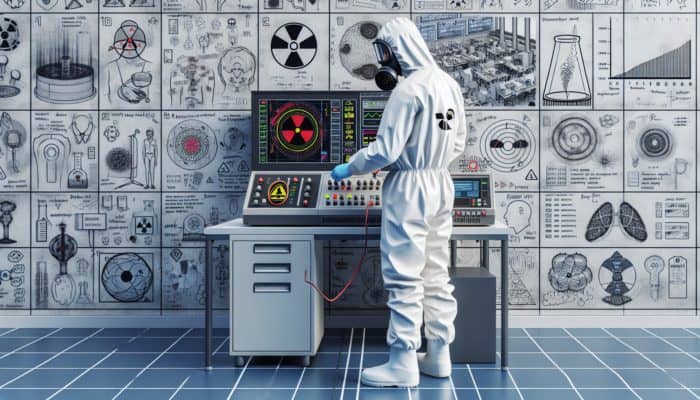
Implementing effective radiation safety measures presents various challenges for organizations. A significant issue involves compliance, as staff may not fully adhere to established protocols due to lack of understanding or insufficient training. Additionally, technological limitations can create substantial barriers, particularly when outdated equipment hinders effective monitoring and safety practices.
To address these challenges, organizations must prioritize robust training programs that emphasize the importance of radiation safety and compliance. Regular drills and refresher courses can enhance staff knowledge and commitment to safety protocols. Furthermore, investing in modern detection and measurement technologies can significantly improve compliance and monitoring capabilities.
Engaging employees in the development of safety protocols fosters a culture of accountability, ensuring that measures are practical and effective. By confronting compliance challenges and leveraging technology, organizations can greatly enhance their radiation safety initiatives, thereby minimizing risks to personnel and the public.
Expert Insights on the Future of Radiation Safety Standards
The future direction of radiation safety standards is poised for significant evolution, driven by technological advancements and shifting regulatory landscapes. Experts predict that innovations in radiation detection, such as digital dosimetry, will greatly enhance real-time monitoring capabilities, allowing for immediate action in response to potential hazards. These technological advancements will not only fortify safety protocols in medical and industrial applications but also streamline compliance processes, making them more efficient.
Regulatory changes are also anticipated, focusing on harmonizing international standards to address the global nature of challenges associated with radiation safety. Collaborative efforts among nations will facilitate the sharing of best practices and research findings, ultimately resulting in more robust safety measures on a global scale.
As safety standards evolve, there will be an increased emphasis on public education and community engagement. Informing communities about radiation sources, associated risks, and safety measures will empower individuals to take proactive steps to protect themselves. By fostering a more informed public, the industry can enhance its safety culture and build resilience against potential radiation-related incidents.
The Impact of Nuclear Radiation Safety on Public Health
Evaluating Long-Term Health Impacts of Radiation Exposure
The long-term effects of radiation exposure can significantly influence public health, primarily manifesting as increased risks for various types of cancer and potential genetic mutations. Scientific research indicates that prolonged exposure to ionising radiation leads to cellular damage that may later develop into malignancies. This risk is particularly acute for vulnerable populations, including children and pregnant women, making it imperative to understand these implications thoroughly.
A comprehensive understanding of these long-term effects is crucial for effective public health planning and policy formulation. By analyzing epidemiological data from populations exposed to radiation, health organizations can devise targeted interventions and screening programs. This proactive approach aims to identify individuals at risk and implement early detection strategies, ultimately mitigating the long-term health consequences of radiation exposure.
Public health initiatives must also consider the psychological impacts of radiation exposure, as fear and misinformation can exacerbate health risks. By providing transparent, factual information about radiation safety and its implications, health authorities can help alleviate anxiety and support informed decision-making within communities.
Enhancing Public Awareness and Education on Radiation Safety
Public awareness and education are integral components of radiation safety, empowering individuals to understand risks and protective measures. Effective communication strategies are vital for disseminating information on safe practices in environments with radiation, such as hospitals, research facilities, and nuclear power plants.
Educational campaigns should target diverse demographics, utilizing clear, accessible language to convey complex radiation safety concepts. Engaging the community through workshops, seminars, and online resources can help cultivate a culture of safety and vigilance. Moreover, involving local leaders and healthcare professionals in outreach efforts enhances credibility and broadens reach, promoting widespread understanding of radiation safety.
Additionally, public education initiatives should incorporate emergency preparedness training, equipping individuals with knowledge about protective actions to take during a radiation incident. By fostering a well-informed populace, communities can enhance their resilience and response capabilities, ultimately contributing to overall public health and safety.
Effective Strategies for Minimising Public Exposure to Radiation
Minimizing public exposure to radiation is essential for safeguarding health and well-being. Several best practices can be employed to achieve this objective, including developing comprehensive emergency response plans, issuing public health advisories, and implementing community education initiatives. Key practices for minimizing exposure include:
- Establishing exclusion zones around areas with elevated radiation levels.
- Conducting regular surveillance and monitoring programs to detect radiation levels.
- Performing community drills to prepare for potential radiation emergencies.
- Providing clear signage and information regarding radiation risks and safety measures.
By actively engaging with the public and fostering collaboration between regulatory bodies and community organizations, authorities can create an informed environment that prioritizes safety. Furthermore, promoting transparency in communications regarding radiation risks and safety practices fosters trust and encourages community participation in safety initiatives.
Incorporating these best practices into the public health framework strengthens the overall approach to radiation safety, ensuring a comprehensive strategy that protects both individuals and communities from radiation-related risks.
The Role of Regulatory Measures in Ensuring Radiation Safety
Regulatory measures are pivotal in enforcing radiation safety standards and protecting public health. Regulatory authorities develop guidelines and requirements for the use and management of radioactive materials across various sectors, including healthcare, research, and industrial applications. These measures aim to minimize exposure risks and ensure that organizations adhere to safety standards.
Regular inspections and audits conducted by regulatory agencies are crucial for maintaining compliance and identifying potential safety deficiencies. Organizations must establish robust internal policies that align with regulatory requirements, encompassing comprehensive safety protocols, staff training programs, and incident reporting processes. Continuous monitoring and evaluation of safety practices ensure that facilities remain adaptable to evolving regulations and safety needs.
Additionally, regulatory bodies often collaborate with international organizations to harmonize standards and share best practices. This global perspective enhances the overall effectiveness of radiation safety measures, ultimately safeguarding public health worldwide.
Continuous Monitoring and Surveillance of Radiation Levels: Why It Matters
Ongoing monitoring and surveillance of radiation levels are critical components of radiation safety, enabling timely detection and management of potential exposure risks. Establishing a comprehensive monitoring system involves deploying advanced detection technologies, such as fixed radiation detectors and portable monitoring devices, to track radiation levels across various environments.
Regular assessments and data collection empower organizations to identify trends and make informed decisions regarding safety measures. For example, in nuclear facilities, continuous monitoring of radiation levels can initiate immediate responses to mitigate exposure risks and protect both workers and the surrounding community.
Furthermore, allowing public access to monitoring data fosters transparency and builds trust within communities. By informing the public about local radiation levels and associated safety practices, authorities can elevate community awareness and preparedness, ultimately contributing to public health and safety.
Implementing Radiation Safety Measures in Medical Settings
Utilization of Radiation in Diagnostic Procedures and Therapeutic Treatments
Radiation plays a critical role in medical diagnostics and therapy, providing essential tools for detecting and managing various health conditions. Techniques such as X-rays, CT scans, and radiation therapy are instrumental in diagnosing diseases and treating cancers. However, they necessitate stringent safety measures to protect both patients and healthcare professionals.
In diagnostic imaging, balancing the minimization of patient exposure with the need for high-quality imaging is paramount. Radiologists must adhere to the principle of As Low As Reasonably Achievable (ALARA), advocating for the use of the lowest feasible radiation dose necessary to obtain diagnostic information. This approach involves employing advanced imaging technologies that reduce radiation exposure while implementing rigorous quality control measures to ensure effective equipment operation.
In radiation therapy, safety precautions are of utmost significance. Patients undergoing treatment must be meticulously monitored to minimize exposure to surrounding tissues and healthcare personnel. This process involves utilizing specialized equipment, such as lead shields and radiation safety barriers, designed to protect against unintended radiation exposure.
As medical practices continue to evolve, ongoing training in radiation safety for healthcare professionals is essential. Staying informed about the latest advancements in imaging and treatment technologies ensures that practitioners can provide safe, effective care while minimizing the risks associated with radiation exposure.
Protecting Healthcare Professionals in Radiation Environments
Healthcare professionals play a vital role in maintaining safety in environments with radiation, and several specific measures can effectively protect them. The use of personal protective equipment (PPE), including lead aprons, thyroid shields, and protective eyewear, is essential for reducing exposure during radiation procedures.
Moreover, adherence to established safety protocols is critical. Healthcare professionals must receive training in the proper use of radiation equipment, understand the importance of maintaining safe distances from radiation sources, and be well-versed in emergency procedures in case of accidental exposure. Regular safety drills can reinforce this knowledge and ensure preparedness for real-world situations.
Additionally, participating in ongoing education and training programs focusing on radiation safety and best practices is vital. This commitment ensures that healthcare professionals remain up to date with the latest regulations, technologies, and safety measures, fostering a culture of safety within healthcare organizations.
By prioritizing safety and actively engaging in training and education, healthcare professionals can effectively safeguard themselves and their patients from potential radiation hazards.
The Importance of Regulatory Compliance in Medical Radiation Safety
Regulatory compliance in medical radiation safety is crucial for safeguarding the well-being of patients and healthcare staff. Regulatory bodies, such as the U.S. Food and Drug Administration (FDA) and the American College of Radiology (ACR), establish standards that govern the utilization of radiation in medical environments. Compliance with these standards is indispensable for healthcare facilities to operate safely and effectively.
To ensure adherence, facilities must implement comprehensive quality assurance programs encompassing equipment maintenance, personnel training, and safety audits. Regular inspections conducted by regulatory agencies help identify compliance gaps and ensure best practices are upheld. Furthermore, maintaining detailed records of radiation exposure for both patients and staff is critical for effective monitoring and compliance.
Healthcare organizations should cultivate a culture of safety by developing internal policies that emphasize regulatory compliance. Encouraging open communication regarding safety practices and incidents can facilitate continuous improvement, ultimately protecting the health of both patients and staff.
Research-Driven Benefits of Nuclear Radiation Safety
Practical Steps for Enhancing Radiation Safety in Research Environments
Enhancing radiation safety in research settings is a challenging yet attainable goal. Researchers can implement several actionable steps to improve laboratory safety, ensuring compliance and protecting personnel from exposure. Key strategies include:
- Conducting regular training sessions focused on safety for all staff members.
- Establishing clear protocols for handling and storing radioactive materials.
- Implementing a robust incident reporting system to effectively address safety concerns.
- Regularly calibrating and maintaining radiation detection equipment to ensure accuracy.
By fostering a culture of safety and compliance, research institutions can significantly enhance their radiation safety measures. This proactive approach not only protects personnel but also supports the integrity of research findings, ensuring scientific advancements proceed without compromising safety.
Furthermore, encouraging collaboration between researchers and safety officers promotes the sharing of best practices and fosters a collective dedication to radiation safety, ultimately benefiting the entire research community.
Economic Benefits of Strong Radiation Safety Protocols
Implementing stringent radiation safety measures yields substantial economic benefits for both organizations and society as a whole. Firstly, enhanced safety protocols can lead to decreased healthcare costs associated with radiation-related illnesses, including cancer treatments and long-term care. By minimizing exposure risks, organizations can prevent health issues that would otherwise burden healthcare systems.
Moreover, organizations that prioritize radiation safety often experience increased productivity. Employees working in safe environments tend to be more engaged and focused, leading to higher job satisfaction and lower absenteeism. This positive workplace culture translates into superior performance and greater levels of innovation.
Additionally, robust radiation safety programs enhance an organization’s reputation, attracting partnerships and funding opportunities. Stakeholders are increasingly vigilant regarding safety and compliance, and organizations demonstrating a commitment to radiation safety are likely to gain a competitive advantage in the marketplace.
Ultimately, investing in radiation safety is not only a moral and legal obligation but also a prudent economic decision that benefits individuals, organizations, and society at large.
Transformative Innovations in Radiation Safety Monitoring Technologies
Innovations in radiation safety monitoring technologies are revolutionizing how organizations manage and respond to radiation risks. Advanced solutions, such as smart dosimeters that provide real-time feedback on exposure levels, significantly enhance safety across diverse settings—particularly in medical and research environments. These devices empower personnel to take immediate action should exposure levels approach hazardous thresholds.
Additionally, the development of automated monitoring systems equipped with sophisticated algorithms facilitates continuous surveillance of radiation levels within facilities. These systems can alert staff to abnormal radiation spikes, ensuring rapid responses to potential hazards. This proactive approach substantially reduces the risk of prolonged exposure, safeguarding both employees and the public.
Advancements in data analytics also offer new opportunities to refine radiation safety practices. By analyzing historical exposure data, organizations can identify patterns and trends, thereby enhancing safety protocols and training programs. As technology continues to evolve, the potential for improved radiation safety monitoring will only expand, further protecting public health and safety.
Essential Components of a Comprehensive Radiation Safety Programme
Developing Thorough Safety Protocols for Radiation Management
Establishing comprehensive safety protocols is a fundamental aspect of effective radiation management. The process of creating these protocols begins with conducting thorough risk assessments to identify potential hazards associated with radiation use in specific environments. Engaging a multidisciplinary team, including radiation safety officers, health physicists, and administrative personnel, ensures that all perspectives are considered.
Once risks are identified, organizations can formulate targeted safety protocols that delineate the procedures for safely handling, storing, and disposing of radioactive materials. These protocols should be readily available and communicated regularly to all staff to promote compliance.
Incorporating continuous improvement practices into safety protocols is vital for adapting to changes in technology, regulations, and best practices. Regular reviews and updates of protocols, coupled with employee feedback, foster a culture of safety and vigilance, which is essential for effective radiation management.
Training and Certification for Professionals Working with Radiation
Training and certification for individuals working with radiation are crucial for ensuring safety and compliance in various environments. Organizations must provide comprehensive training programs encompassing the fundamentals of radiation safety, including exposure risks, protective measures, and emergency response procedures.
Certification programs should be developed in conjunction with authoritative bodies to guarantee that they meet established safety standards. Regular recertification is essential for keeping knowledge current regarding evolving regulations and technologies.
Hands-on training experiences, including simulations and real-world scenarios, reinforce theoretical knowledge and prepare workers for practical challenges. By investing in education and certification, organizations empower their staff to take proactive roles in radiation safety, ultimately enhancing safety culture and compliance.
Fostering Continuous Improvement in Radiation Safety Practices
Fostering continuous improvement in radiation safety programs requires a proactive approach emphasizing regular audits and feedback mechanisms. Organizations must establish a routine schedule for conducting safety audits, evaluating compliance with established protocols, and identifying areas for enhancement.
Incorporating employee feedback is equally critical. Encouraging open lines of communication regarding safety concerns and suggestions nurtures a culture of accountability and collaboration. Staff members often possess valuable insights that can lead to improved safety practices.
Additionally, organizations should remain informed about advancements in radiation safety technologies and regulations. Engaging in professional development opportunities and networking with industry peers enables organizations to adopt best practices and implement innovative solutions to enhance safety.
By continuously assessing and refining safety programs, organizations can adapt to changing circumstances, ensuring that radiation safety remains a top priority in their operational strategies.
Emergency Preparedness: Strategies for Effective Radiation Safety
Creating Comprehensive Radiation Emergency Plans
Effective planning for radiation emergencies is essential for minimizing risks to public health and safety. Organizations must develop comprehensive emergency response plans that detail procedures for managing radiation incidents, including evacuation protocols and communication strategies.
These plans should involve collaboration with local emergency services, public health authorities, and community organizations to ensure a coordinated response during incidents. Regular drills and training exercises are critical for testing the efficacy of emergency plans, allowing personnel to practice their roles in simulated scenarios and ensuring readiness.
Clear communication channels are vital during a radiation emergency, facilitating the timely dissemination of information to affected individuals and the public. Organizations should establish dedicated communication pathways, such as hotlines and social media platforms, to relay updates and guidance during emergencies.
By prioritizing emergency preparedness and planning, organizations can strengthen their resilience and ensure rapid responses to radiation incidents, ultimately protecting both personnel and the community at large.
Immediate Actions for Individuals During a Radiation Emergency
In the event of a radiation emergency, individuals should take immediate and decisive action to protect themselves from potential exposure. The first step is to seek shelter indoors, ideally in a basement or centrally located room with minimal windows. Closing all doors and windows helps prevent outside air from entering, thereby reducing exposure to radioactive materials.
Staying informed through official communication channels, such as local news outlets and emergency alert systems, is crucial. Following directives from authorities regarding evacuation or shelter-in-place orders is essential for ensuring personal safety.
If evacuation is advised, individuals should act swiftly while avoiding unnecessary exposure. Covering the mouth and nose with a cloth or mask can help minimize inhalation of airborne radioactive particles. After evacuating, individuals should refrain from returning to affected areas until authorities declare it safe to do so.
By remaining calm, informed, and attentive to official guidance, individuals can effectively safeguard themselves during a radiation emergency.
Health and Safety Measures Required Post-Emergency
Post-emergency recovery following a radiation incident necessitates thorough cleanup and long-term health and safety measures to protect public health. Immediate actions should focus on assessing contamination levels and implementing decontamination procedures to mitigate radiation exposure risks.
Authorities must conduct comprehensive environmental assessments to identify affected regions and establish safe re-entry protocols for communities. Public health advisories are crucial for informing residents about potential risks and recommended precautions during the recovery process.
Long-term safety measures should include the continuous monitoring of radiation levels in affected areas to ensure they remain within safe limits. Public health initiatives must also concentrate on educating individuals about ongoing risks and best practices to minimize exposure.
By prioritizing recovery and health and safety measures, authorities can assist communities in rebuilding with confidence, ensuring that public health remains a primary concern in the aftermath of a radiation emergency.
Enhancing Emergency Preparedness Through Training and Drills
Regular training and drills are foundational to emergency preparedness for radiation incidents. Organizations should develop comprehensive training programs focusing on radiation safety protocols and emergency response procedures. These programs should incorporate hands-on exercises, simulations, and case studies to enhance understanding and application of safety measures.
Conducting routine drills reinforces training and ensures that personnel are well-versed in their roles during a radiation emergency. Simulated scenarios can challenge participants to respond quickly and effectively, fostering confidence in their ability to manage the situation.
Collaborating with local emergency services during drills can improve coordination and communication during actual incidents. By practicing together, organizations can identify potential gaps in communication and response protocols, ultimately strengthening their emergency preparedness.
By emphasizing training and drills, organizations can cultivate a culture of readiness, ensuring that personnel are equipped to handle radiation emergencies while safeguarding public health and safety.
Effective Communication Strategies During Radiation Emergencies
Implementing effective communication strategies during radiation emergencies is critical for ensuring public safety and minimizing panic. Organizations must develop clear communication strategies detailing how information will be disseminated to the public and stakeholders during an incident.
Utilizing multiple communication channels, including social media, radio, television, and emergency alert systems, ensures that messages reach a broad audience. Consistent messaging is crucial; authorities should provide updates on the situation, safety measures, and recommended actions for individuals to take.
Engaging community leaders and influencers can enhance the credibility and reach of communication efforts. Providing timely and accurate information fosters trust and empowers individuals to make informed decisions during emergencies.
Incorporating feedback mechanisms allows organizations to evaluate the effectiveness of their communication strategies and make necessary adjustments. By prioritizing transparent and proactive communication, organizations can enhance public safety and preparedness in the face of radiation emergencies.
Frequently Asked Questions (FAQs) About Radiation Safety
What Is Involved in Nuclear Radiation Safety?
Nuclear radiation safety encompasses protocols and practices designed to protect individuals and the environment from harmful exposure to ionising radiation. It involves minimizing risks through effective regulations, vigilant monitoring, and public education initiatives.
What Are the Main Types of Ionising Radiation?
The principal types of ionising radiation include alpha particles, beta particles, and gamma rays. Each type has unique characteristics and health implications, requiring specific protective measures.
How Can I Protect Myself During a Radiation Emergency?
In a radiation emergency, seek shelter indoors, close all windows and doors, and follow official guidance on evacuation or safety protocols. Staying informed through reliable sources is important for your safety.
What Role Do Regulatory Bodies Play in Radiation Safety?
Regulatory bodies establish and enforce safety standards for the use of radioactive materials. They conduct inspections, provide guidelines, and ensure compliance to protect public health and safety.
What Should Be Included in a Radiation Safety Programme?
A comprehensive radiation safety programme should include thorough safety protocols, personnel training, regular audits, and emergency response plans. Continuous evaluation and improvement are also critical components.
How Does Radiation Exposure Affect Public Health?
Radiation exposure can lead to long-term health consequences, including increased cancer risk and potential genetic mutations. Understanding these risks is vital for public health planning and safety measures.
What Are Some Effective Practices for Minimizing Radiation Exposure?
Best practices include establishing exclusion zones, conducting regular radiation monitoring, implementing emergency drills, and providing clear public information about radiation risks and safety protocols.
Why Is Public Education on Radiation Safety Important?
Public education on radiation safety empowers individuals to understand risks and protective measures, fostering a culture of safety and preparedness within communities.
How Can Healthcare Workers Protect Themselves When Working with Radiation?
Healthcare workers can ensure their safety by utilizing personal protective equipment, adhering to established protocols, participating in ongoing training, and remaining informed about the latest radiation safety practices.
What Are the Economic Advantages of Implementing Radiation Safety Measures?
Robust radiation safety measures can reduce healthcare costs associated with radiation-related illnesses, enhance workplace productivity, and improve organizational reputation, thereby yielding broader economic benefits for society.
Join our journey on X!
The post Nuclear Radiation Safety: Essential Guidelines and Practices appeared first on Survival Bite.
The Article Nuclear Radiation Safety Guidelines and Best Practices Was Found On https://limitsofstrategy.com
The Article Nuclear Radiation Safety: Essential Guidelines and Practices First Appeared ON
: https://ad4sc.com